Live Cohort
Java 8 to 25
AI + Microservices
DevOps + Kubernetes
System Design Included
SPARK 6.0 | Advanced Full Stack Cohort
Java Full Stack 0 To Production [2026] Spring AI, Spring Cloud, Kafka, Microservices, Kubernetes, DevOps & System Design
Upgraded with Modern Java, Spring AI, Spring Cloud, React, Redis, Kafka, Docker, DevOps and Kubernetes. In SPARK 6.0, you will go from Java foundations to production-ready full stack platforms through LIVE classes, flagship projects, backend architecture training and delivery workflows that help you stand out in the job market.
120+ Hours
5 Flagship Projects
English + Hindi Delivery
Covers Java 8 to 25 thinking, secure APIs, AI integration, event-driven systems, DevOps workflow, Kubernetes deployment concepts and stronger interview project explanation.
What You'll Learn
Advanced Java full stack, DevOps and system design topics taught across the roadmap
Modern Java and concurrency
- OOP, collections, generics, exception handling and clean coding habits
- Multithreading, Executor Framework, concurrency patterns and scheduling
- Streams, lambdas, Optional, records, sealed classes and virtual threads
HTTP, JDBC and backend internals
- HTTP request-response lifecycle, servlet architecture, filters, sessions and cookies
- JDBC, SQL joins, transactions, connection handling and MVC request flow
- Why backend internals matter before deeper Spring abstractions
Spring Boot API engineering
- Spring Core, IoC, DI, REST APIs, DTO patterns and validation
- MapStruct-style mapping, pagination, exception handling and clean service layers
- Swagger/OpenAPI, profiles, logging, Actuator and production configuration
Security, persistence and caching
- Spring Security 6, JWT, role-based authorization and method security
- JPA, Hibernate, query methods, custom queries and transaction boundaries
- Redis caching, idempotency patterns, audit thinking and secure backend flow
AI, messaging and distributed systems
- Spring AI, prompts, RAG, document Q&A and structured outputs
- Kafka producer-consumer flow, pub-sub, retry,and event-driven communication
- API Gateway, service discovery, config patterns and microservice boundaries
DevOps and system design
- Docker, Docker Compose, DevOps workflow, Kubernetes
- Resilience4j, Circuit Breaker, Rate Limiting, Kubernetes deployment flow and system design cases
What You Will Build
Build five product-grade systems across payments, AI, messaging, ticketing and cloud storage
 01
01
Major Project
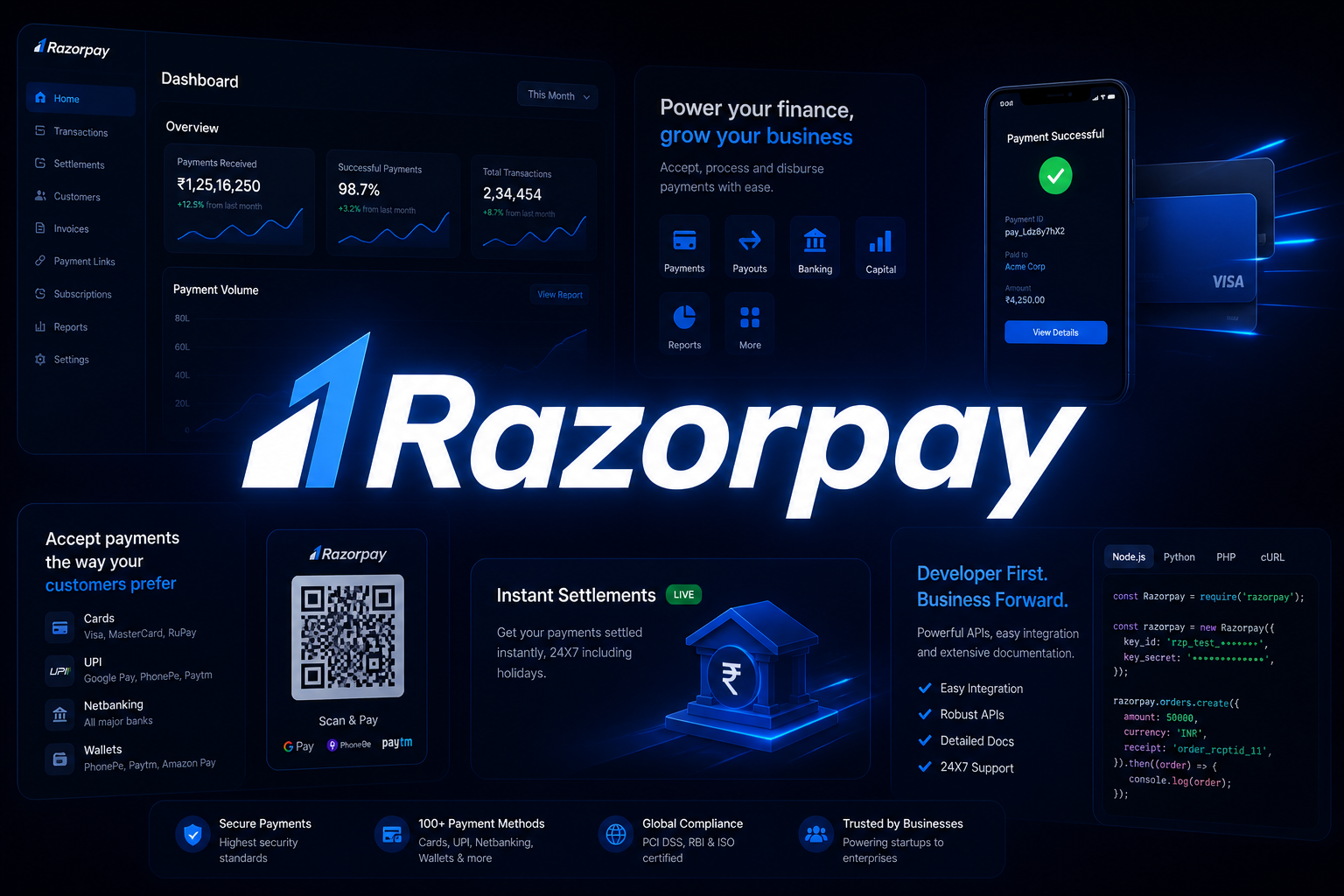
Payment Orchestration Platform like Razorpay
Orders, refunds, retries, webhook recovery and admin visibility in one product-style payment backend.
- Payment intents, settlement flow and transaction ledger
- Webhook retries, resilience and admin analytics
Spring Boot
Kafka
Webhooks
Resilience4j
 02
02
Major Project
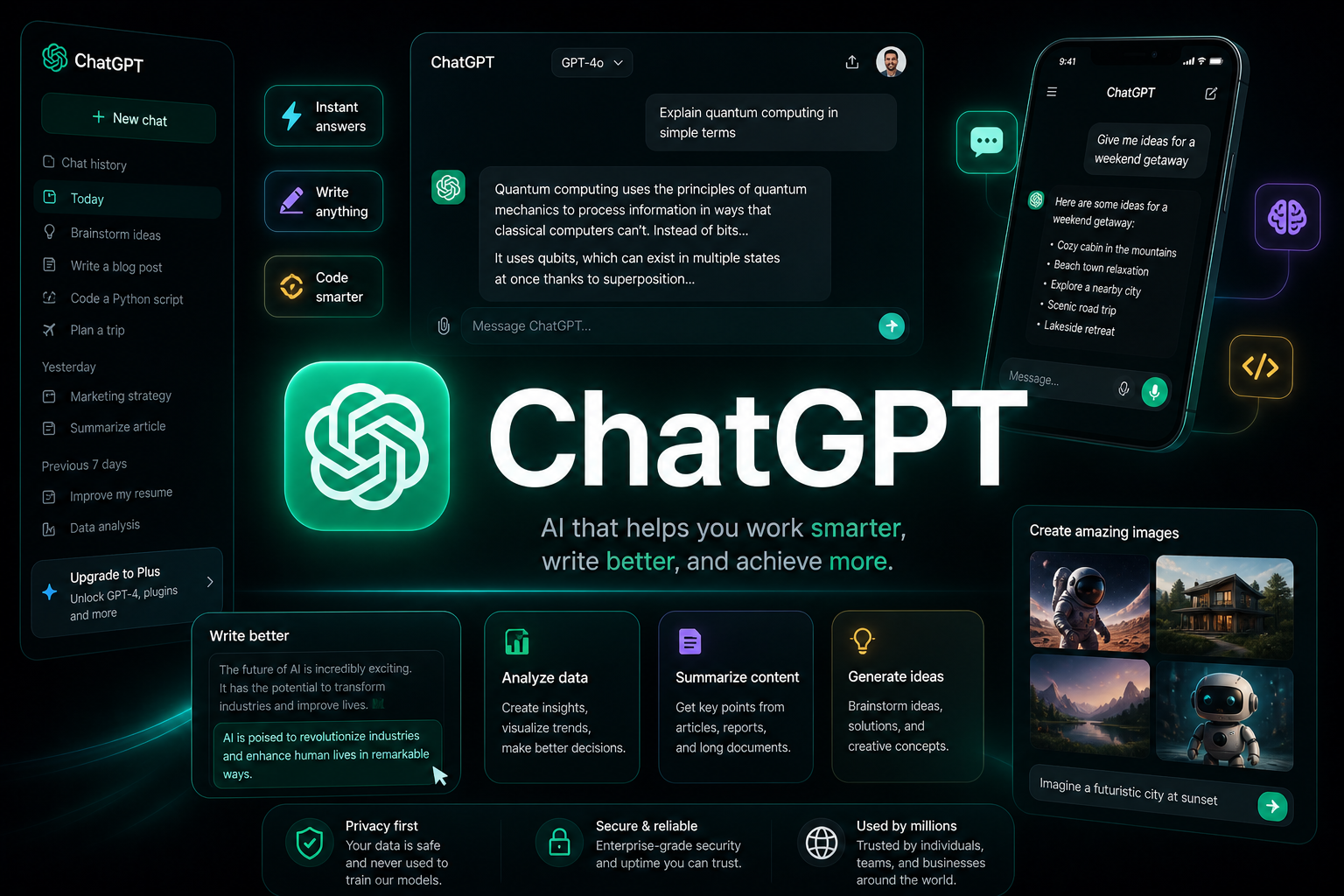
Student AI Chat Platform like ChatGPT
Streaming AI chat workspace for doubts, coding help, notes, study modes and placement preparation.
- Chat history, model routing, prompt modes and response streaming
- PDF notes Q&A, RAG knowledge base and usage analytics
Spring AI
SSE
RAG
Vector DB
 03
03
Major Project
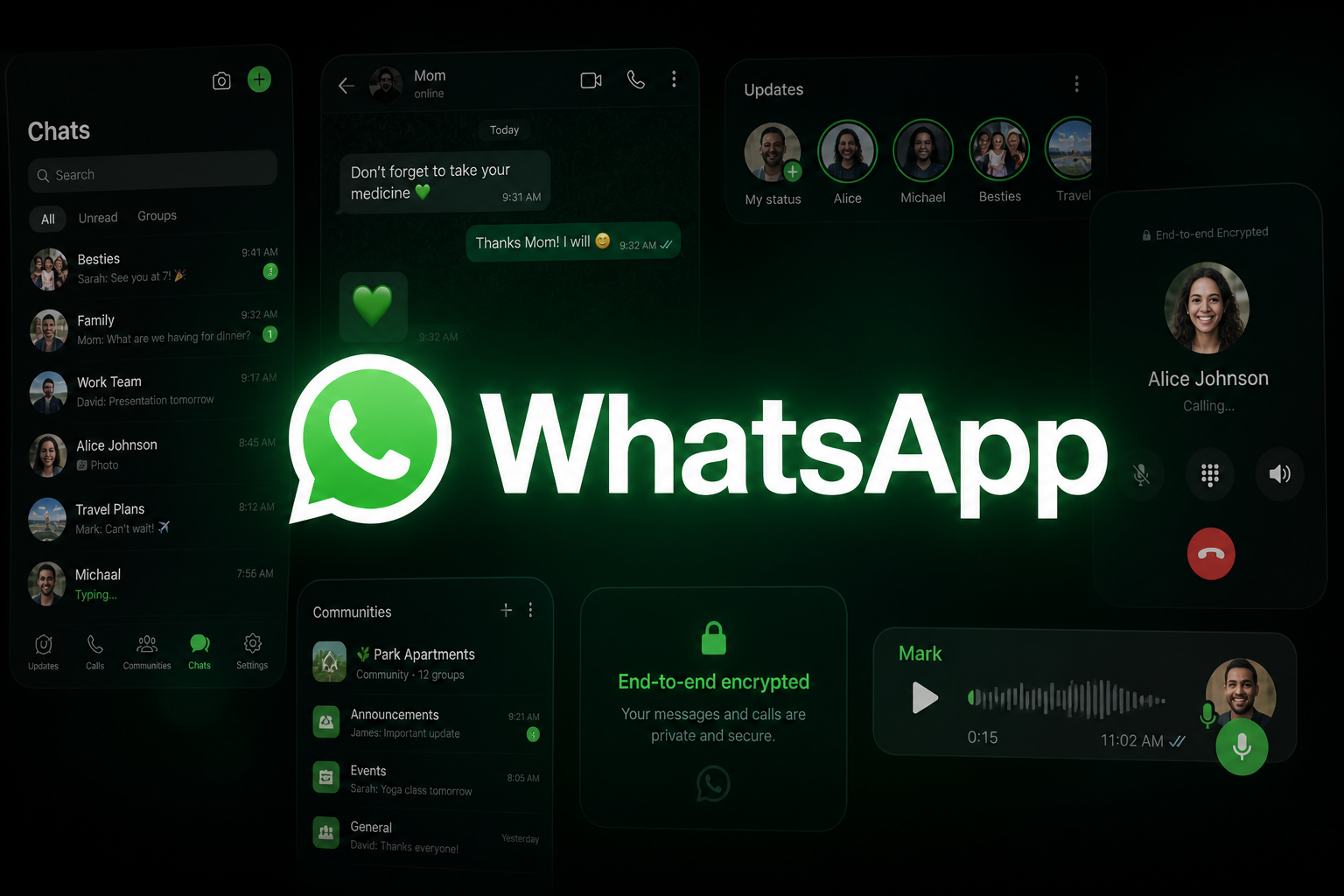
Real-Time Messaging Platform like WhatsApp
One-to-one chat, group messaging, presence, delivery receipts and real-time communication flows.
- WebSocket chat, typing indicator and online/offline status
- Message delivery, read receipts, groups and notification events
Spring Boot
WebSocket
Redis
Kafka
 04
04
Major Project
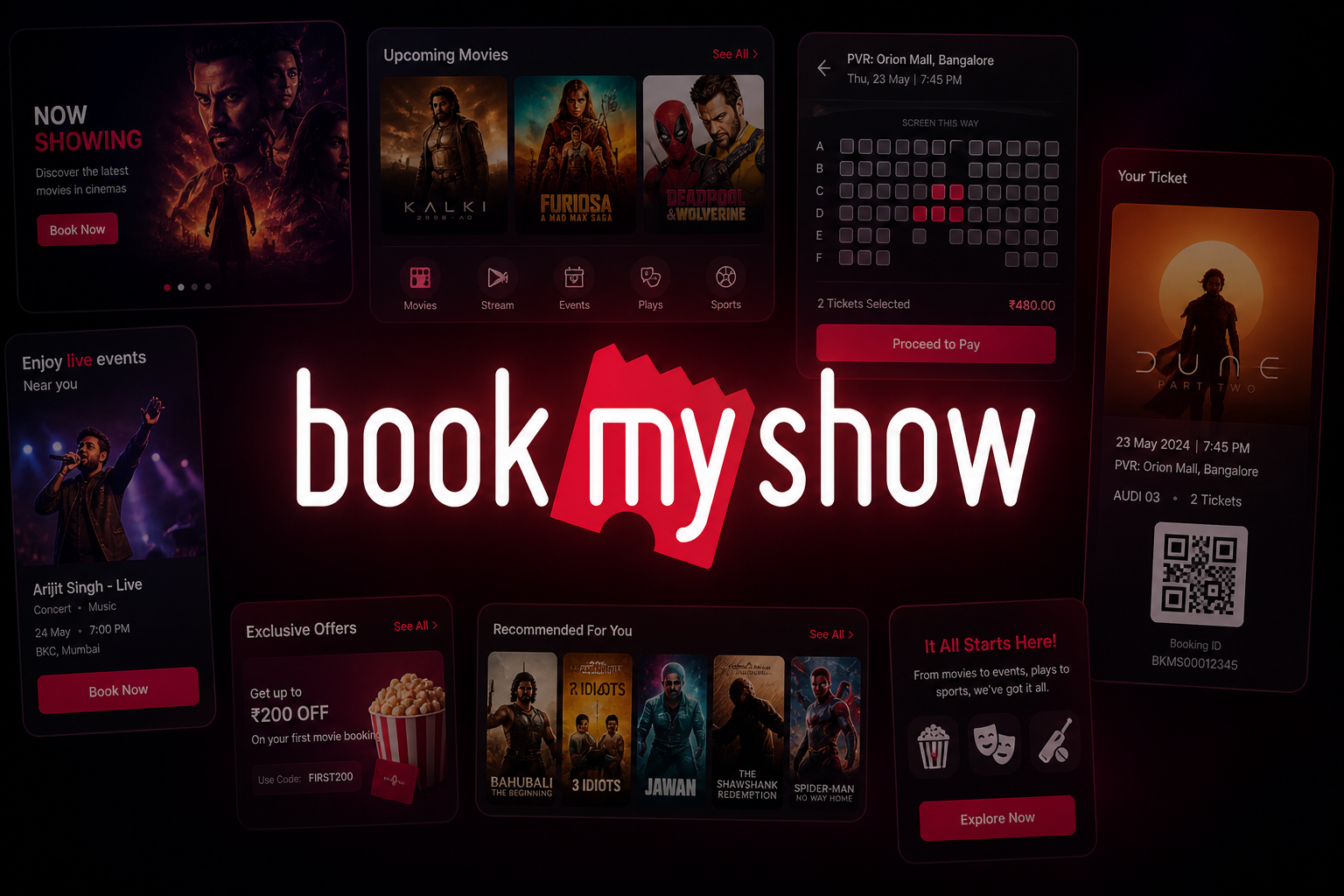
Ticket Booking Platform like BookMyShow
Events, shows, seat inventory, booking locks, payments and high-concurrency ticket reservation flow.
- Movie/event discovery, show scheduling and seat map flow
- Seat locking, payment timeout, booking status and concurrency control
Spring Boot
Redis Locks
Payments
Concurrency
 05
05
Major Project
Cloud Storage Platform like Google Drive
File upload, folder hierarchy, secure sharing, permissions, search and collaboration-ready storage workflows.
- File metadata, folders, shared links and access control
- Upload flow, storage service, versioning and search-ready indexing
Spring Boot
Storage
ACL
Search
Course Content
An advanced roadmap from Java internals to full stack, DevOps and system delivery
Programming basics, Core Java, SQL, HTTP and servlet-level backend understanding.
React, APIs, validation, JPA and structured Spring Boot implementation.
Security, AI integration, Kafka, Redis, Docker, Kubernetes and deeper backend design thinking.
Projects, testing, DevOps workflow,deployment and architecture explanation.
Build real Java fluency first so later Spring and backend topics feel natural instead of memorized.
- Variables, operators, loops, methods and clean coding habits
- OOP, abstraction, inheritance, polymorphism and interfaces
- Collections, generics, exception handling and multithreading
- Streams, lambdas, Optional, records, sealed classes and virtual threads
Understand how backend applications work under the hood before relying on Spring conveniences.
- MySQL and PostgreSQL basics with JDBC connectivity
- HTTP request-response lifecycle and servlet architecture
- Cookies, sessions, filters and web security foundation
- MVC flow and why these ideas still matter in modern Java stacks
Move from simple APIs to a structured backend style with proper layering and production-aware decisions.
- Spring Core, IoC, DI and Spring Boot project structure
- REST APIs, validation, DTO mapping and exception handling
- JPA, Hibernate, pagination, custom queries and profiles
- Swagger, logging, Actuator and application configuration
Add the parts that make a backend feel serious in real product environments.
- Spring Security 6, JWT and role-based authorization
- OAuth login, password encoding and method-level security
- Audit fields, standardized responses and clean service boundaries
- Cache-first thinking, resilience and production-ready error flow
Learn how to integrate LLM workflows inside Java systems in a way that feels current and useful.
- LLM integration patterns with Spring AI and prompt design
- RAG, document Q&A, vector flow and retrieval basics
- Chat memory, tool usage concepts and response shaping
- Mapping structured AI output directly into Java DTOs
Move beyond CRUD comfort into event-driven and distributed system conversations.
- Monolith vs microservices and service boundary decisions
- API gateway, service discovery, distributed config and microservice communication basics
- Kafka workflows, Redis caching, resilience patterns and eventual consistency thinking
- Docker, Docker Compose and containerizing Spring Boot services before Kubernetes
- Kubernetes deployment concepts, scaling flow and service exposure basics
- Queues, scaling, read-write tradeoffs and architecture discussions
Finish with the skills you need to test, package and present your work professionally.
- JUnit, Mockito, integration testing and test design basics
- Environment setup, build packaging and DevOps delivery workflow
- Maven lifecycle, GitHub Actions, CI/CD and release pipeline understanding
- Runtime environment awareness, deployment thinking and release readiness
- Deployment checklists, project walkthroughs and interview explanation practice
Recorded bonus module to help you connect dashboards and UI flows with the backend projects without making frontend the main live roadmap.
- HTML, CSS, JavaScript fundamentals and browser thinking
- React components, state, props, effects and routing
- Forms, validation, protected routes and API consumption
- Dashboard UI flows connected with backend authentication
Engineering Outcomes
Turn project work into confident engineering conversations
Get help presenting backend decisions, tradeoffs and stronger technical answers.
Live sessions, doubts and guided reviews make the roadmap feel more like engineering training than passive video learning.
Revise with recordings, debug better and stay aligned with the cohort through ongoing support.
The course ends with stronger projects, better explanation and a portfolio that feels more credible in serious hiring rounds.
Recorded Feedback
Clarity, depth and confidence people mention after joining
SPARK 5.0 batch feedback
4.9/5
average learner experience
8,600+
learner rating signals
Open on YouTube
Previous learners share what changed after joining
This review is from the earlier SPARK 5.0 cohort. SPARK 6.0 carries that same teaching clarity forward with a deeper Java, Spring AI, microservices and system design roadmap.
Student review
SPARK5.0 Java full stack batch
Teaching clarity and doubt support

Reading Java from you, I finally understand how and why things work. Everything is making sense now and I actually feel motivated to keep learning.

Arka
Java learner
I was doubtful at first because the price was low and classes were only on weekends, but after one week of recordings and live sessions I felt the course was completely worth it.

Hitanshu
Weekend cohort learner
Your teaching style is awesome and your explanations are very easy to understand. It actually increases my interest in Java.
Saurabh Yadav
Java learner
The way internals get explained makes difficult topics feel exciting instead of confusing. That depth is what keeps me engaged.
Akram
Backend-focused learner
FAQs
Frequently Asked Questions
While we provide comprehensive training and support, job placement ultimately depends on your skills and effort. The course is designed to equip you with the knowledge, projects and confidence needed to pursue product engineering roles.
Yes. The course includes hands-on project building so you can apply concepts in practical systems instead of only watching theory.
Outcomes vary from year to year, but learners from Code For Success have moved into competitive roles and strong product companies based on their preparation and consistency.
It depends on your current level, consistency, project work and interview preparation. The course gives you the roadmap, but the result depends on how seriously you execute it.
Yes. Freshers can enroll, and the roadmap is structured to take you from fundamentals into advanced backend and full stack depth with proper guidance.
Yes. Recordings are included so you can review the material at your own pace and stay aligned even if you miss a live session.
Yes. You receive a certificate of completion after successfully finishing the course.
The primary language of the course is Java, with frontend and tooling support where needed for full stack delivery.
Community support means you can connect with learners and alumni, ask questions, share progress and get help through learning groups and discussion spaces.
After signup and enrollment, you can use the discussion area to ask questions and also get access to the exclusive community channels used for updates and support.
SPARK 6.0 starts on 6 June 2026, with live classes from 9 AM to 12 PM. After enrollment, you will get access details, class updates and joining instructions from the course platform.
After payment, you will receive instructions on how to access the course platform, materials and the next steps to start your learning journey.
You can contact the team at ashvaniupadhyay22@gmaill.com and we will be happy to assist you.
Yes. You can also connect with the community and support channels on Telegram and Discord after joining.